For many women, the transition through peri-menopause and into postmenopause brings an unexpected thief in the night: sleep. You can prepare for hot flashes and night sweats. You can stock up on lubricant for vaginal dryness. But the slow erosion of sleep quality catches most of us off guard. I have spent years working with women navigating this stage, and I can tell you that genuine menopause sleep support is not about a single pill or a rigid bedtime routine. It is about understanding what is actually happening inside your body and making choices that match your real biology.
Why Sleep Changes During Menopause
The short answer is estrogen decline. Estrogen is not just a reproductive hormone. It helps regulate your body temperature, your mood, and even your sleep-wake cycle. When estrogen levels drop, your circadian rhythm can become unstable. Many women find themselves waking at 3 a.m. drenched in sweat, their heart pounding, unable to fall back asleep. That is not a failure of willpower. That is a physiological event.
Progesterone also plays a role. Progesterone has a natural calming effect and supports deeper sleep. During peri-menopause, ovulation becomes irregular, so progesterone production becomes erratic. Lower progesterone means less of that sedative effect, which can make falling asleep harder and staying asleep nearly impossible.
This is where real menopause sleep support starts. Not with a magic herb, but with an honest look at your hormonal landscape.
What Actually Works for Night Sweats and Hot Flashes
Temperature regulation is a huge piece of the puzzle. If you wake up because your core temperature spikes, no amount of sleep hygiene will fix it alone. You need to address the heat itself.
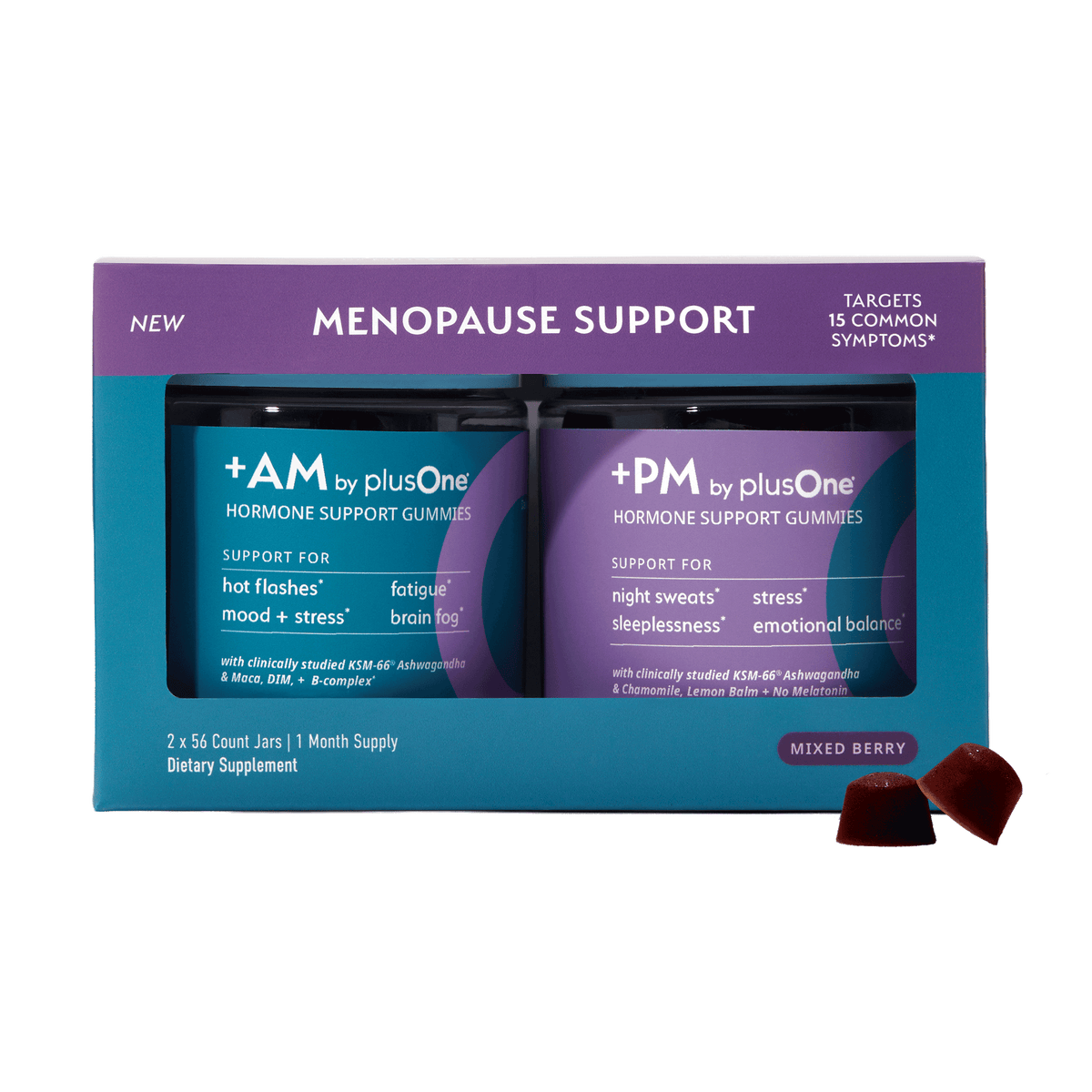
Some women find relief with phytoestrogens, plant compounds that mimic weak estrogen activity in the body. Red clover and black cohosh are two of the most studied sources. I have seen women who respond well to red clover report fewer hot flashes within a few weeks. But these are not for everyone. Phytoestrogens can interact with other medications and may not be recommended for women with certain health histories. It is worth trying, but pay attention to how your body actually responds.
Black cohosh has a more mixed reputation. Some studies show modest benefit for night sweats; others show no difference from placebo. The inconsistency suggests that individual biochemistry matters more than the herb itself. If you try black cohosh, give it at least eight weeks and keep a sleep diary. If you see no improvement, move on.
For women who prefer non-hormonal therapy, options like certain cooling fabrics, bedroom temperature adjustments, and strategic hydration can help. But for real relief, you may need to look beyond herbs alone.
Sleep Aids That Actually Respect Your Body
Melatonin is the most obvious supplement for sleep, but it is often misused. Melatonin is not a sedative. It is a timing signal for your circadian rhythm. Taking a high dose at random times can actually confuse your body clock. For menopause sleep support, a low dose around one to three milligrams taken an hour before your target bedtime can help reset your rhythm. Higher doses often cause vivid dreams or morning grogginess.
Magnesium glycinate is a different story. Magnesium plays a role in over three hundred enzymatic reactions in the body, including those that regulate muscle relaxation and nervous system calm. Magnesium glycinate is a highly absorbable form that does not cause the digestive upset some women get from magnesium oxide. I recommend it to many women because it supports both sleep quality and muscle recovery. It is gentle and works well alongside other strategies.
Ashwagandha is an adaptogen that helps regulate cortisol, the stress hormone. High cortisol at night is a known sleep disruptor. Ashwagandha can lower cortisol levels, which in turn helps you fall asleep more easily. It is not a direct sedative, but for women whose sleep problems stem from anxiety or overwork, it can be a game-changer.

L-theanine is an amino acid found in green tea. It promotes a state of relaxed alertness, which sounds contradictory but is actually ideal for winding down. It increases alpha brain waves, which are associated with calm focus. Many women find that taking l-theanine in the evening helps them transition from a busy day into restful sleep without the grogginess of stronger sleep aids.
Valerian root has a longer history as a mild sedative. It works by increasing GABA, a neurotransmitter that inhibits brain activity. Some women find it effective, but the smell is strong and the effects can vary between batches. I have seen valerian root help women who struggle specifically with falling asleep, but it is not ideal for those who wake up in the middle of the night.
Building a Routine That Lasts
Supplements are only one part of the picture. Real menopause sleep support also involves lifestyle adjustments that work with your changing biology.
- Keep your bedroom cool, around 65 to 68 degrees Fahrenheit. A cool room can reduce the severity of night sweats.
- Use blackout curtains or a sleep mask. Light exposure at night suppresses melatonin and disrupts your circadian rhythm.
- Avoid alcohol within three hours of bedtime. Alcohol may help you fall asleep initially, but it fragments sleep later in the night.
- Consider a consistent wind-down routine that includes dim lighting, light stretching, and no screens for at least thirty minutes.
These steps may sound basic, but they are foundational. Without them, even the best supplements will struggle to deliver consistent results.
When to Consider Professional Help
If you have tried multiple approaches and still wake up exhausted most mornings, it may be time to talk to a healthcare provider. Some women need bioidentical progesterone or other prescription interventions. Others benefit from cognitive behavioral therapy for insomnia (CBT-I), which focuses on changing thought patterns and behaviors around sleep. There is no shame in needing more than over-the-counter options.
Menopause relief is not a one-size-fits-all journey. What works for your best friend may not work for you, and that is normal. The key is to keep experimenting, keep a journal, and trust your own experience over marketing claims.

The Big Picture on Menopause Sleep Support
After years of working with women through this transition, I have learned that the most effective menopause sleep support is the one you actually stick with. It is not about finding the single perfect supplement or the most expensive cooling pillow. It is about building a set of practices that fit your life, your sensitivities, and your specific symptoms.
Some women thrive on a combination of magnesium glycinate and l-theanine. Others get better results from ashwagandha and a strict wind-down routine. A few find that phytoestrogens like red clover make a real difference for their hot flashes, which in turn improves their sleep quality. The common thread is patience and self-awareness.
If you are in peri-menopause or postmenopause and struggling with sleep, know that you are not alone and that there are real, effective strategies available. Start small, track your progress, and adjust as you go. The goal is not perfect sleep every night. The goal is better sleep more nights than not, so you wake up feeling like yourself again.